
 A common question asked by visitors to Cairo is, “Can I drink the tap water?” Many Cairenes have no problems with drinking the water. The Nile River is Cairo’s main source of water and begins in Burundi and Uganda passing through the Sudan, where it joins up with the Blue Nile, whose origins are in Ethiopia before flowing onto Egypt. How pure is the water once it reaches Cairo?
While Cairo’s tap water is heavily treated, the issue is Egypt’s wastewater and its treatment, as wastewater is dumped into the Nile. Because of this, concerns are growing as to the quality of Cairo’s tap water in the future. Gabal al-Asfar is a wastewater treatment plant in Cairo and has received a boost of $53.3 million from the African Development Bank (ADB). Wastewater will be chlorinated before being released. The Ministry of Water Resources and Irrigation’s web site concedes reducing effluent will be one of its greatest challenges for the future.
External factors
Upstream of Cairo (i.e. to the south of the city), the Nile receives large flows of mostly untreated domestic, agricultural, and industrial waste-water:
a) Between the Aswan High Dam and Cairo, 43 towns with population exceeding 20 million and approximately 2500 villages discharge their wastes to the Nile.
b) Most of the residents in the region depend on irrigated agriculture for their livelihood, and 2.9 billion m3 of drainage water loaded with fertilizers, pesticides, and organic material is returned to the Nile annually upstream of Cairo.
c) More than 50 major factories discharge more than 250 million m3 per year of industrial waste-water with little treatment.
With such large upstream pollution loads, one might expect the Nile at Cairo to be very highly polluted, but this is alleviated by the huge water flow of the river, which takes the pollutants away quite effectively. On the other hand, Cairo is the largest water quality degradation in the region.
2. Internal factors
Contemporary rapid and almost chaotic growth of Cairo makes assessing the drinking water and waste-water networks difficult. Expansion of water supply networks without the parallel construction of sewerage systems, or the rehabilitation of existing systems has lead to serious water pollution problems.
Cairo’s drinking water is quite well treated, but waste-water treatment has many severe deficiencies. It is a dilemma that the government itself seems to be one of the biggest water polluters. Conveying Cairo’s waste-waters through agricultural drains is just shifting the environmental problem to other regions, so the original problem remains. In addition, this factor should be taken account when tackling the Mediterranean Sea pollution.
Cairo’s water question ought to be looked in the context of the whole country. In 2017, the Nile River will become one of the world’s most populated river basins. The then 90 million Egyptians, of which approximately 21 million are Cairo people, are very dependent on the Nile system. This creates a very politically fragile position for the country. It has long been understood that ruling the water of Nile means ruling the entirety of the greater Nile region. The question of the security of Egypt’s only water source brings to light a number of issues:
- There is a need to preserve of the waters of the Lake Nasser Reservoir, which supplies Egypt with its freshwater.
- There is a growing degree of stress to which the river is exposed, which is leading to a rapid degradation of Egypt’s fertile lands (e.g. the spread of brick and concrete for buildings in urban areas).
- The industrialization process is employing an increasing rate of population, which has led to a higher degree of pollution (e.g. sewage, drainage water, industrial waste).
- A near future challenge is coming from global climate change: what are the effects on the Nile basin?
b) Industrial waste-water
In Egypt the industrial waste-water is considered one of the main sources of water pollution because of the toxic chemicals and organic loading. Even 80%of the whole country’s annual industrial effluent is discharged untreated into the Nile, canals, wells, municipal sewage systems, and the Mediterranean Sea. Egypt’s 329 major factories continue to discharge as much as 2.5 million m3 per day of untreated effluent into Egypt’s waters. The following results are that Egypt’s shores and coastal fishing and tourism are being damaged, areas around industrial zones are becoming inhospitable, and water purification is becoming very costly.
Cairo is one of the main industrial centers in Egypt. 40% to 50% of industrial activity is mainly located in the capital. Its public sector industries (75%) consist of chemical, textile, metal (iron and steel), food, and engineering and cement production operations. They use 162 million m3 of fresh water per year, and discharge 129 million m3 per year. Each day they discharge 0.75 tons of heavy metals. The private industries include tanneries, gasoline stations, and marble and tile factories. While most of the discharges to the sewage collection systems are from domestic sources, other industries in Cairo discharge 56 million m3 annually to the collection system, and in many cases, without pretreatment. Only half of the industry had, in 1992, some type of effluent treatment before discharging to the collection system. The limited data on this issue available restricts evaluation of different pollution concentrations from effluents from discharged waste-water. No accurate information is available of the amount of toxic substances.
“Even if heavy metals do occur in Cairo’s water, they are all below the detection level and thus do not present any threat,” said Edward Smith, Professor of Environmental Engineering at the American University in Cairo, who carried out two long-term studies of Nasr City and Maadi’s tap water between 2005 and 2008. “The problem is more with high levels of chlorine and trihalomethanes (THMs, byproducts of chlorine), which occasionally exceed local and international standards, but when you have to choose between dangerous diseases resulting from inadequate water treatment and high levels of those chemicals that might lead to future health issues; you opt for the latter without the slightest of doubts.”
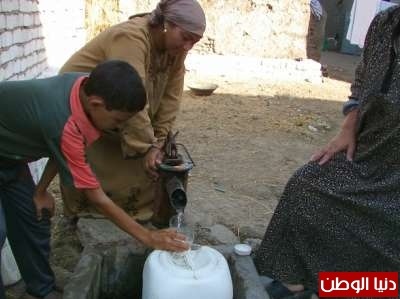
One of the top priorities of the Egyptian Environmental Agency (EEAA) is the treatment of industrial waste-water. EEAA’s strategy is to attack water pollution at its source. The strategy consists of several issues:
- The focus will be no-cost or low-cost clean technology measures. This will include b
etter housekeeping withpollution reduction by as much as 60-70%. Wherethe situation is serious, waste-water treatment facilities will have to be installed. - Working with the different sectors such as foods, soap and oil, textiles, and to examine the problems common to each sector (e.g. spinning, weaving and cotton ginning factories in Helwan and other southern places in Cairo who are notable polluters).
- Not focusing only obtaining a cleaner environment, but also on the economic benefits that will come in this process.
In some industries, water recycling can beused. For instance in irrigation, afforestation, irrigation of non-edible agriculture (such as cotton, or even for the irrigation of vegetables and fruits, depending on the chemical content of the water), and sludge generated in the process of separation and sedimentation could be used for soil conditioning or composting.For most severe cases treatment facilities will be necessary. Such systems have been installed in certain industries, but some are not operating properly.- Promoting local design and manufacture of equipment and facilities will bring the cost down by 70 percent. O
n-the-job training in operations and maintenance will be conducted as part of a built-in-program (for the Egyptian companies it is most useful to enter the huge industrial waste-water markets).
Most water pollution control projects implemented in Egypt have been made by the public sector. Within the private sector, few industrial waste-water treatment projects have been set up, since regulations are not enforced yet. But, this is likely to change over the next years. The new environmental law will require plant owners to clean up their discharges, so the industrial waste-water situation is likely to improve. The law will not only rely on a command and control approach with penalties, but it will also include economic tools and incentives. There will be fewer taxes on industrial waste-water equipment, subsidies, etc.
Therefore, Cairo’s drinking water is quite well treated, but waste-water treatment has many severe deficiencies. It is a dilemma that the state itself seems to be one of the biggest water polluter. Conveying Cairo’s waste-waters through agricultural drains is just shifting the environmental problem to other regions, so the original problem still remains. Also this factor should be taken account when tackling the Mediterranean Sea pollution.
It is essential that new water sources are found, and new agricultural areas and cities outside the valley are created. The only choice is to expand to the dry lands and, desert, which is described as ‘Egypt’s last frontier’. Such a solution could provide an alternative to Cairo and relieve the pressure coming from a growing population. There are already several new cities and agricultural areas in desert. The huge population density and deteriorated water pipe network causes a huge water loss in the city network that reach the values of 34-35% which is equal to around 791 million m3/year which if saved can provide fresh potable water to additional 11 million inhabitant . Thus the solution is expanding into the desert thus decreasing the population density, installing new network and changing water consumption patterns will lead to a significant increase in water quality as also the water pollution won’t be fixed point source rather than distributed.
Besides finding new sources, water conservation is another strategy in national water management. In case of Cairo this needs commitment of government institutions and international donors, as well as Cairenes and local NGOs. Finally, if water consumption continues to grow intensively, Egypt will have to rely on extreme measures: The use of the non-renewable groundwater aquifers and expensive desalinization of seawater.
Ayman Ramadan Mohamed Ayad is an engineer and Water Resources Advisor at National Water Resources Plan (NWRP-CP), and has been involved in the future vision for Alexandria integrated water urban development. He also teaches applied hydraulics at Alexandria Universities, and serves as the Egyptian Coordinator for NAYD (Network of African Youth for Development).
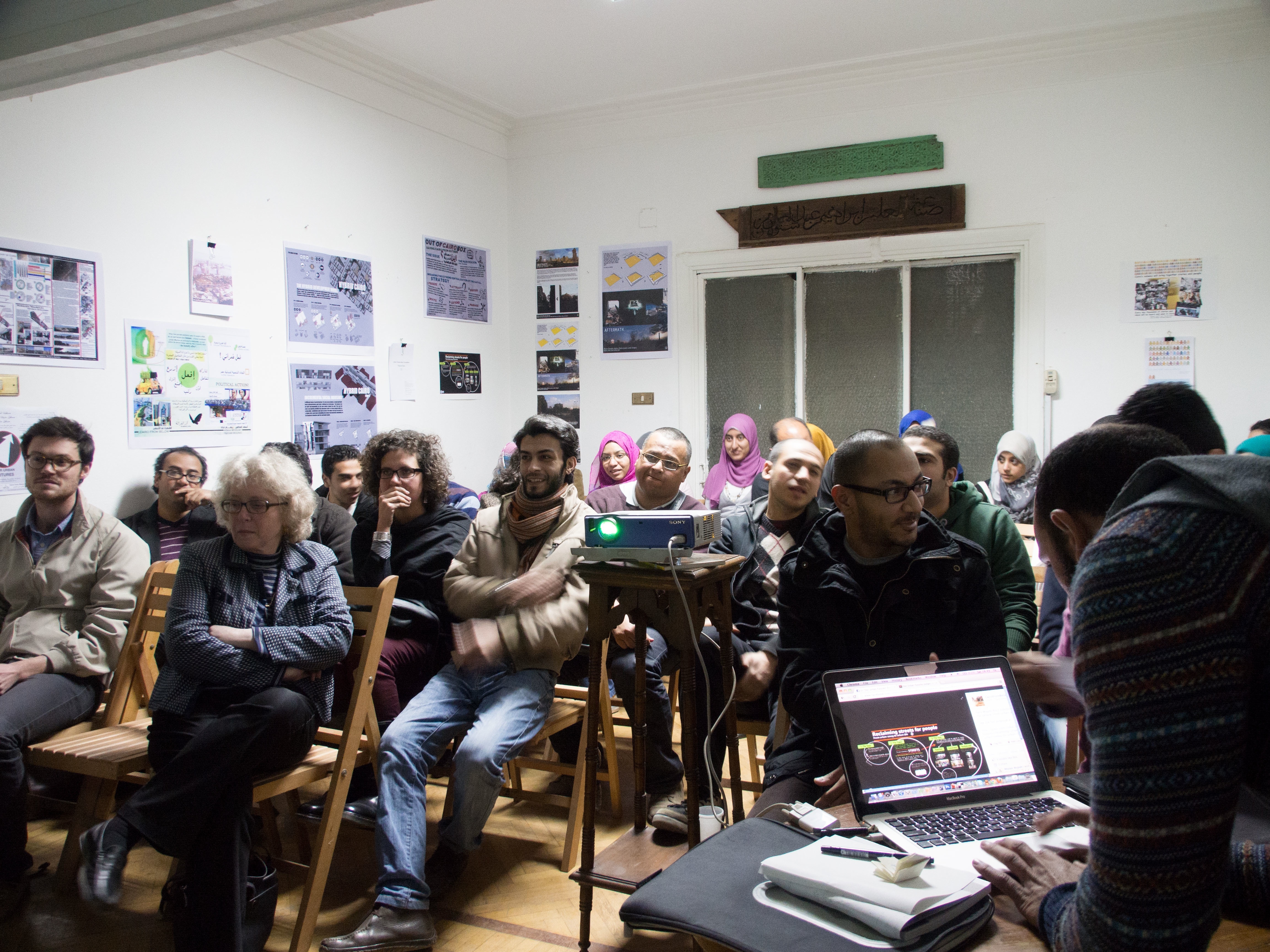
Our Urban Futures Ideas Competition Final Event (photo by Meredith Hutchison)
The Our Urban Futures Competition was an amazing success, and Cairo from Below would like to thank all of the participants, the judges, and all others who helped to make this competition a possibility. The following is a quick summary of the Our Urban Futures Final Event and Competition, summarized from May Al-Ibrashy’s (of Megawra) concluding thoughts:
Some of the presentations were about dreams: they asked you to fantasize and pointed to three p’s: performative, policy, and prospect aspects. They asked you to think and take a different approach, were global and strategic, concerned with networks and should in the future be refined and presented to policy and decision makers.
Other entries were based on field studies and prescribed specific solutions. These brought forward the problem of reconciling the city as a whole with small-scale solutions. There was an aspect of hybridity in many of the ideas where observations were combined with analysis of communal patterns and the author’s professional know-how. There was also a significant aspect of the person, with participants identifying their own personal obstacles with the city, including problems they faced on a daily basis.
Many of the participants presented ideas in direct opposition to standard urban thought which prioritizes planning from above. Finally, the event and the competition raised and addressed some very important questions: How can you control and how far can you dictate? Can you affect change on the government level and people will follow? Can you affect grassroots change and will the government follow? How much do you know and how much do you need to know before you act on your knowledge? When do we move from talking to doing?
The first prize winner of the Our Urban Futures Competition is: Nasr City Urban Valley. The two runners up are: Sustainable Transit Upgrades and Mafto7. It is our hope that these ideas, along with many of the others submitted, will continue to be developed. In the coming weeks and months we hope to organize a workshop to advance some of your ideas.
While the competition is closed, we invite competition participants, and those who have an idea but were not able to submit it, to share your ideas with the broader community on our FB page and blog. If you would like to write a short post for our blog pitching an idea (one from the competition or a new idea) to the community, we would be happy to showcase it on the blog and FB.
To competition participants: we hope the competition also served as a welcome to Cairo from Below. If you have a blog post you would like to publish on analysis or opinion on more sustainable, equitable and transparent planning in Cairo, please send us a blog post proposal (one paragraph) or a draft post (750 word max please).

Please scroll down or visit our Facebook site for more detail on the entries
You are invited to join the competition entrants and judges to attend a seminar on the ideas and generated through the Cairo from Below ‘Our Urban Futures’ Ideas Competition. Our esteemed judges are in the process of evaluating our wonderful 22 entrants to make the difficult decision of who will take 1st, and runner up prizes.
We are holding the symposium at Megawra architectural hub on January 19th from 17:00-21:00 – 17 Amin Zaki St., Ard el-Golf, Cairo, Egypt (www.megawra.org/map) to announce winners and promote the growth of their ideas through a lively seminar discussion. We hope that the winners might have the opportunity to find mentorship in the future for their excellent contributions to improve issues they feel Cairo is currently facing. Please email CairofromBelow@gmail.com if you can join us!
The generous sponsorship and generous support of the Global Travel and Learning Fund through IIE (Institute of International Education), Megawra, and Columbia University School of International and Public Affairs through the Leous Parry Award, has been truly inspiring to those of us at Cairo from Below, as well as the greater Cairo from Below community.
Program
Cairo From Below – ‘Our Urban Futures’Ideas Competition – Seminar and Award Ceremony
19 January 2013
Megawra , 17 Amin Zaki St., Ard el-Golf, Cairo, Egypt (www.megawra.org/map)
17:00 – 17:15 Registration and exhibition viewing
17:15 – 17:30 Opening remarks – Ahmed Borham and Meredith Hutchison
17:30 – 18:00 Review and open discussion – competition submissions – session 1
Moderated by one of the competition judges
18:00 – 18:15 Coffee break
18:15 – 18:45 Review and open discussion – competition submissions – session 2
Moderated by one of the competition judges
18:45 – 19:15 Review and open discussion – competition submissions – session 3
Moderated by one of the competition judges
19:15 – 19:25 Presentation of publication concept – Amr Abdel Kawi
19:25 – 19:45 Announce winners and award prizes
19:45 – 20:00 Synthesis and Closing remarks – May al-Ibrashy
20:00 – 21:00 Reception
The Entries are In!
The entries are in for the Cairo from Below Our Urban Futures Ideas Competition and these brilliant visual representations of problem & solution have been promoting much discussion, excitement and the flow of ideas on the Cairo from Below Facebook page and the competition album.
Once again thank you to all of the Our Urban Futures participants! We are very excited about the outstanding ideas submitted and the conversations being generated! The facebook voting will close on January 10th.
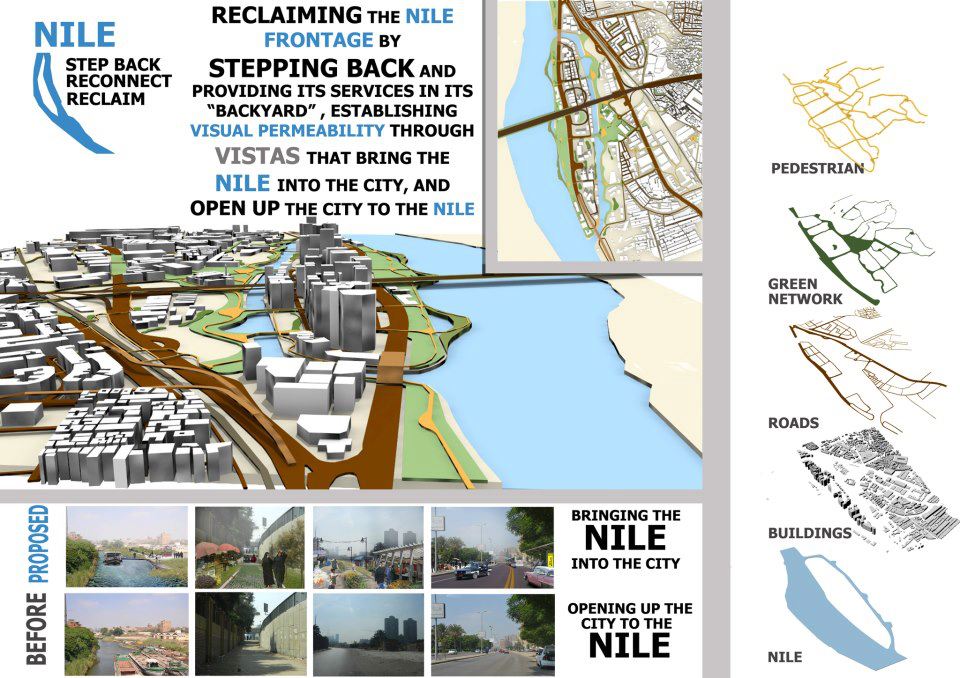
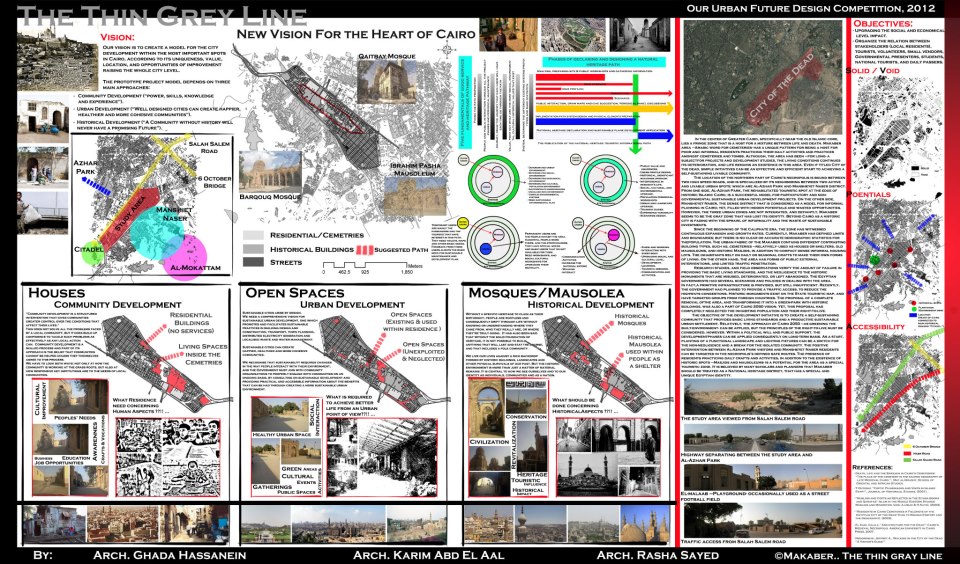
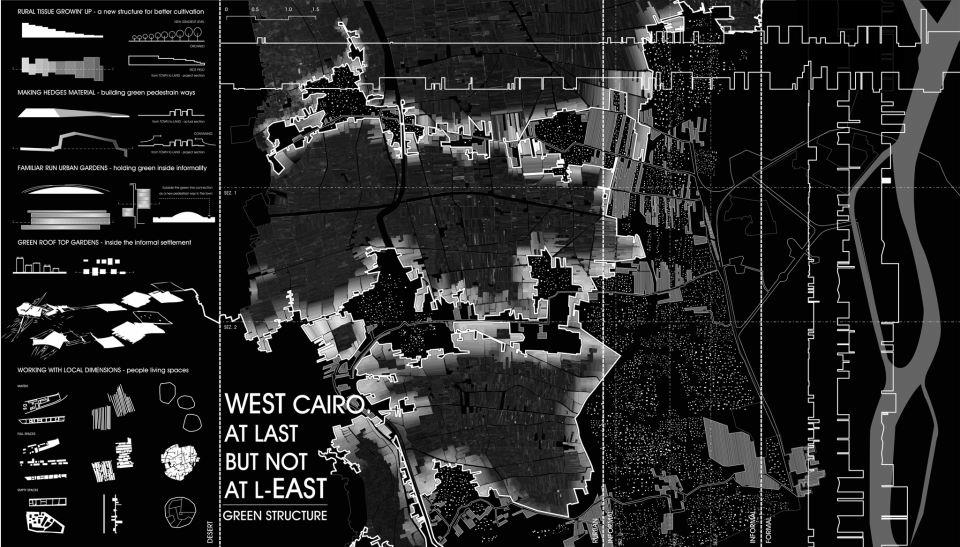

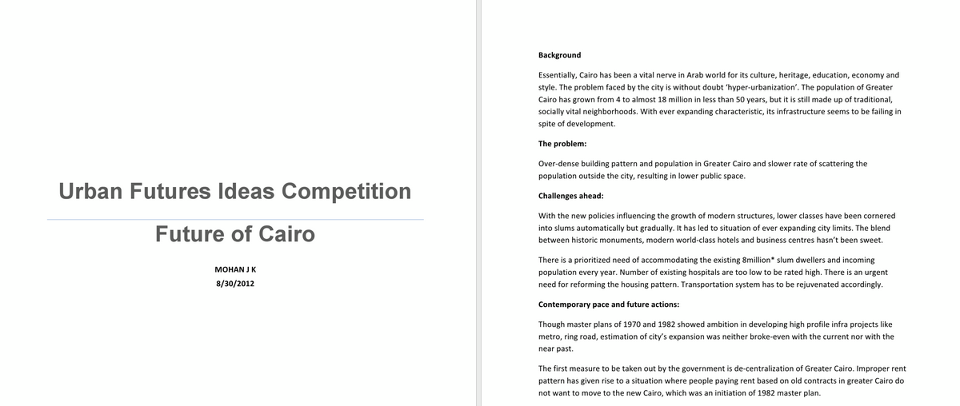
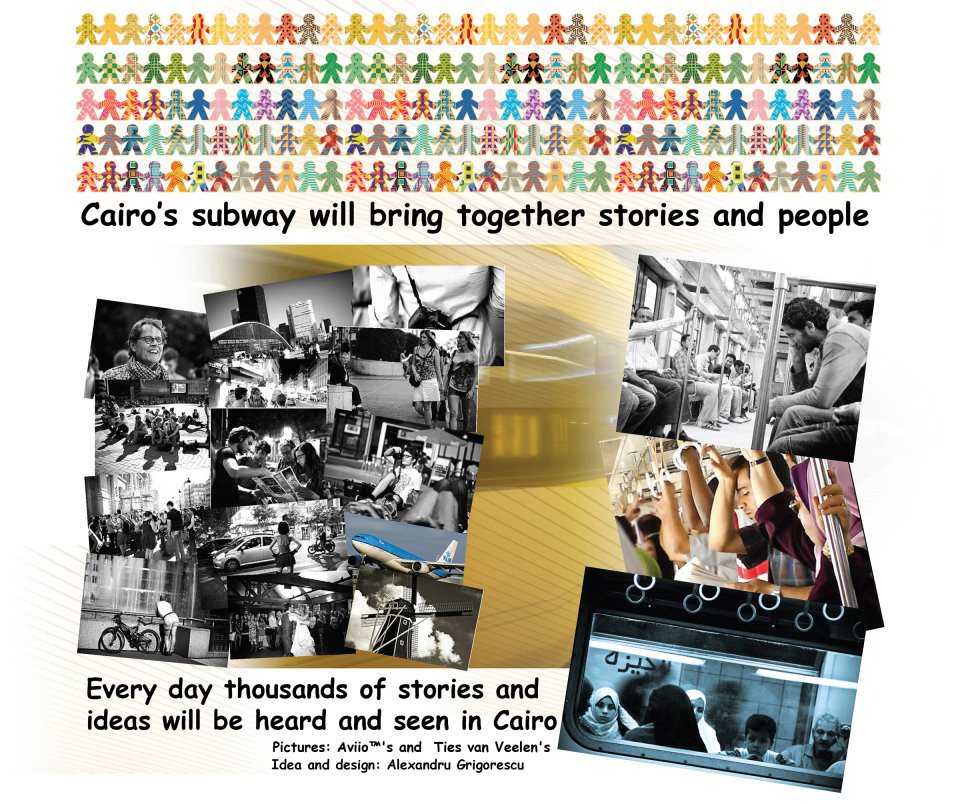


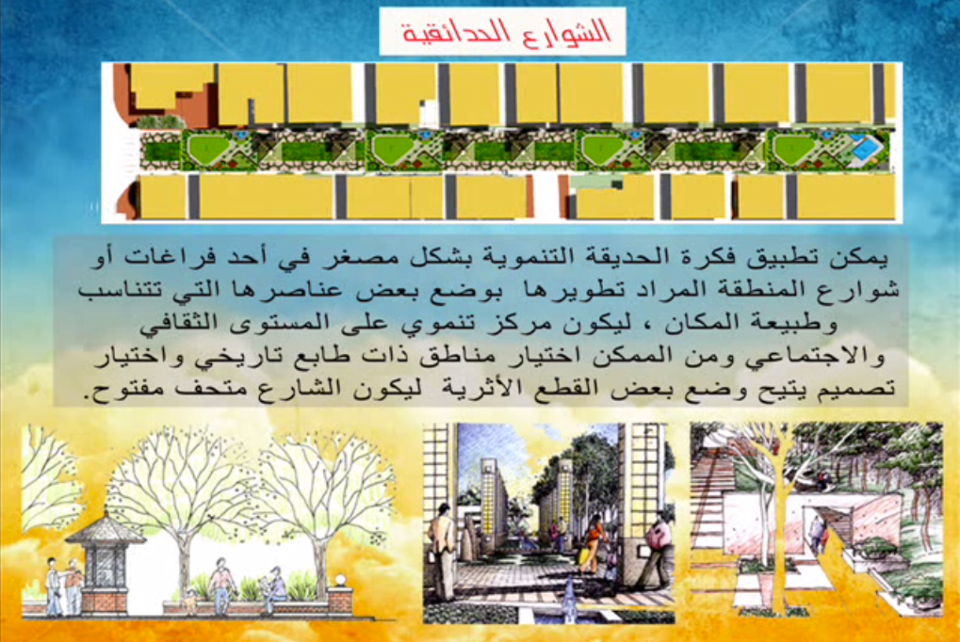

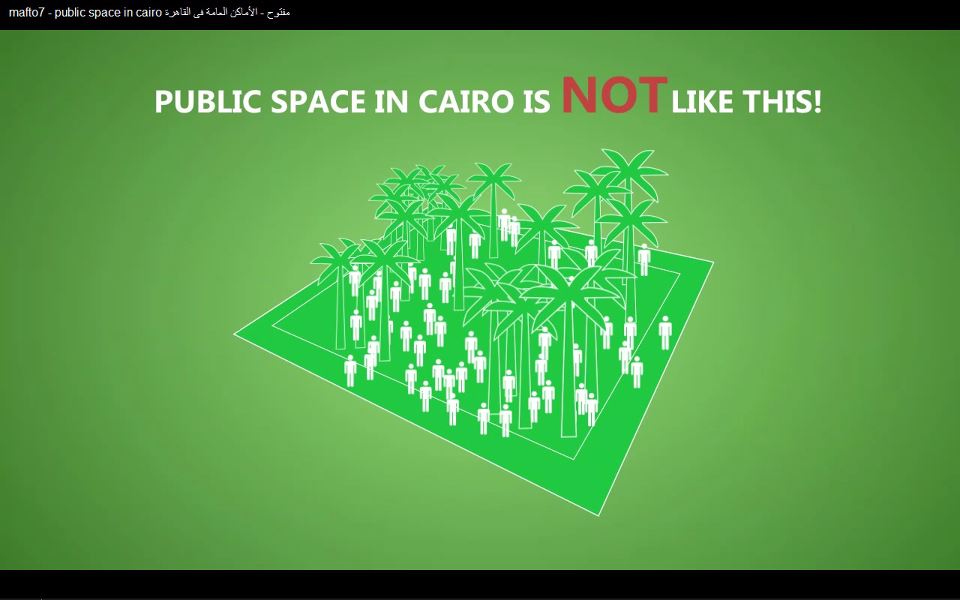

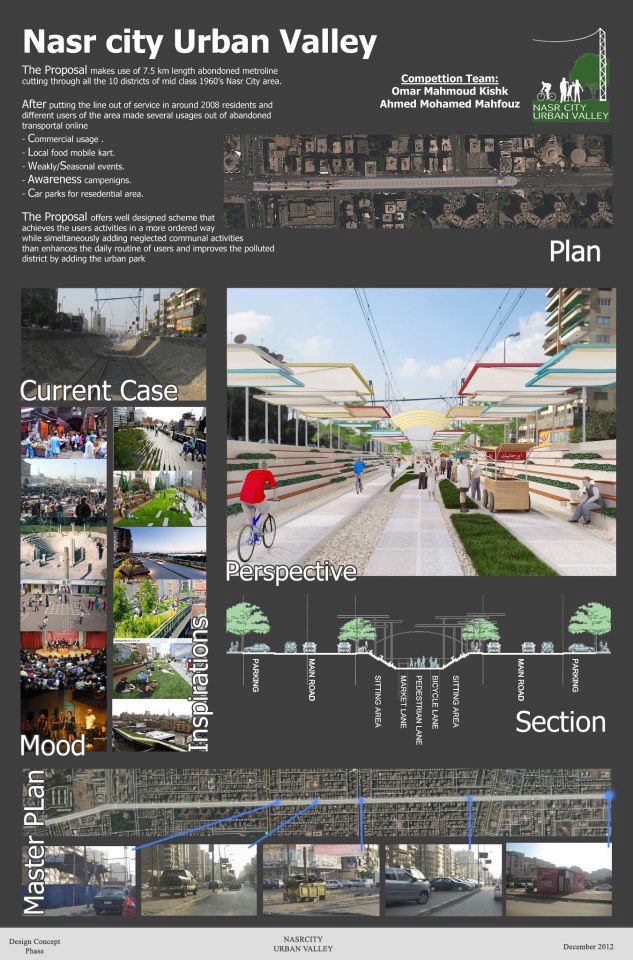
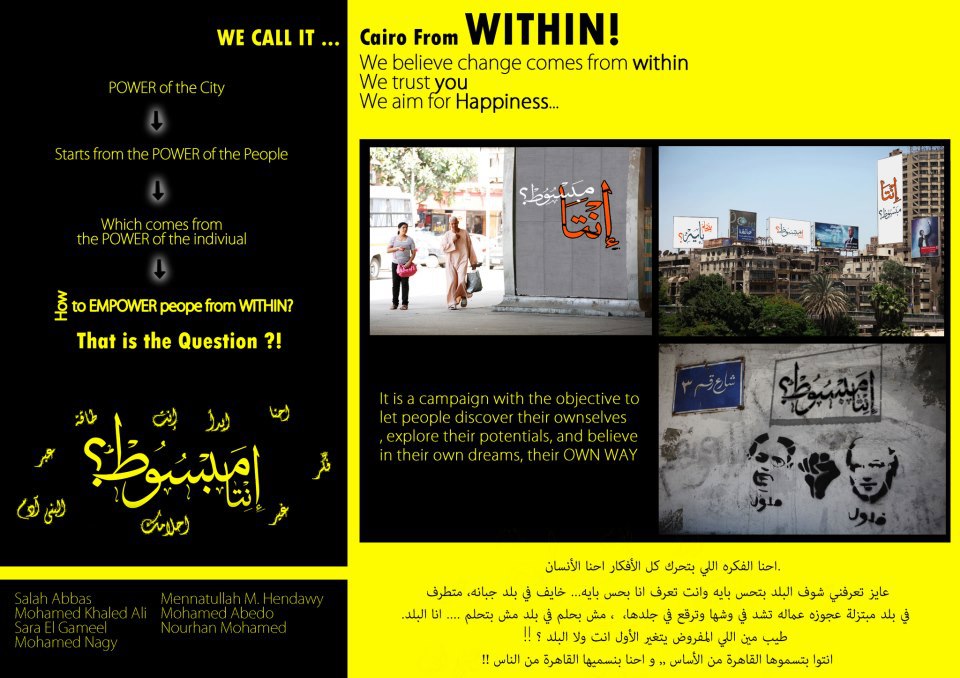


As you can see from the examples, participants have been moved to express their visions, from ideas promoting improvements in transportation to those suggesting the structuring of green systems in urban planning. Participants shared their ideas for housing solutions that encourage partnership between the public and private sectors. Some participants believe the solution lies in participatory planning and changing the status quo. Themes of reclaiming and re-addressing the use of public spaces (vertical and horizontal) are seen throughout the entries. A clear call to “DO” is a common string that ties the spirit of this competition together.
We look forward to the days and weeks to follow, as the entries are judged and opportunities for participants grow. We hope that this is one step in a long and ongoing discussion, debate and call to action on the urban future of Cairo.
We are quickly approaching the final deadline of the Our Urban Futures ideas competition and could not be more excited to review your submissions! The judges are looking forward to a glimpse into your vision for the city. The creativity, momentum and collaboration this competition has generated is truly inspiring to watch.
Details and guidelines are available here for your reference.
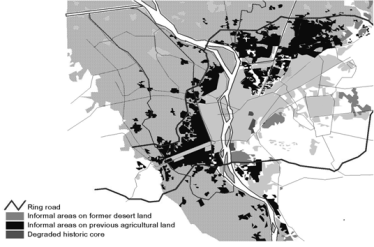
Photo from Universitas Forum (http://www.universitasforum.org/index.php/ojs/article/view/46/191)
Do not hesitate to contact cairofrombelow@gmail.com with any questions, comments or concerns.
Good luck, the Cairo from Below Team
————————————————————————-
فترة تقديم الأفكار لمسابقة “مستقبلنا العمراني” ستنتهي يوم الخميس القادم
اقترب الموعد النهائي لتسليم أطروحاتكم إلى مسابقة “مستقبلنا العمراني” ونحن نتطلع بشوق لتقييمها…كما تتطلع لجنة التحكيم إلى الإطلاع على رؤاكم حول مستقبل القاهرة العمراني….وأنه حقاً مصدر إلهام لنا أن نتابع الإبداع والتعاون الذي جلبته هذه المسابقة
تستطيعون إيجاد تفاصيل المسابقة والمبادئ التوجيهية هنا
للتواصل اولطرح سؤال أو إضافة تعليق نرجو مراسلتنا على العنوان التالي:
cairofrombelow@gmail.com
حظاً موفقاً
مع تحياتنا
فريق عمل القاهرة من الأساس
————————————————————————————
By Dana Kardoush and Meredith Hutchison
[English version of this post is below the Arabic]
من علي الأرض
كتابة دانا كردوش و ميريديث هوتشيسون
هذا المقال يأتي إستكمالاً للجزء الأول منه ليلقي نظرة أعمق علي تأثير نظام الحكم الحالي علي سياسات العمران. كما يقارن المقال ما بين الوعود التي روج لها خلال الفترة الإنتخابية وما تحقق منها علي الأرض حتي الآن. و يختتم المقال بعرض الجهود المبذولة من الأطراف الأخري في نفس المجال.
أحد أهم التحولات التي حدثت في مجال العمران خلال فترة الإنتخابات الرئاسية و ما بعدها هو الطفرة الملحوظة في حجم الإسكان الغير رسمي.
وعود الرئيس في البرنامج الإنتخابي
بالرجوع الي برنامج الرئيس مرسي الإنتخابي نلاحظ أن التنمية العمرانية هي العنصر الثالث في مشروع النهضة بجانب التنمية البشرية و الإقتصادية علي النحو التالي:
إعادة توزيع السكان و التنمية إعتمادا علي الموارد الطبيعية المتوفرة —
تطوير و إنشاء نماذج لإسكان محدودي الدخل بإستخدام خامات بناء محلية و تقنيات حديثة —
مراجعة السياسات لدعم برامج التمويل العقاري للمواطنين —
إعادة هيكلة الضرائب العقارية لدفع التنمية خارج نطاق الدلتا الي المجتمعات العمرانية الجديدة —
الرقابة علي العقارات، اراضي البناء و الأراضي الزراعية لضمان إستخدامها كما هو مخطط. —
أفعال الرئيس و نظامه
ما تحقق علي الأرض من هذه الوعود حتي الآن ليس بالكثير. فيما يخص توزيع الموارد فأن المؤسسات الحكومية لم تتغير علي النحو المتوقع لها. علي سبيل المثال فأن الموارد المائية المدعومة لا تزال تُستغل في مشاريع القطاع الخاص. لا تزال الشركات الخاصة قادرة علي شراء المياه بينما لا يد قطاع واسع من الشعب المصري ما يكفيه من المياه!
و عندما نتحدث عن إسكان محدودي الدخل فإن إتجاه الحكومة في رفع الدعم عن بعض السلع و المواد طبقاً لشروط البنك الدولي يوحي بأن تخفيض تكلفة البناء ليس من أولويات النظام الحالي!
أخيرا فإ نه لا توجد قرائن تؤكد أن مرسي يتجه للمساواه في توزيع وإستخدامات الأراضي. بل إنه بالفعل قد حدث أن مؤسسة الجيش قد إغتصبت أراضي زراعية ذات ملكية خاصة بالقوة و طردت قاطنيها ( حادثة القرصاية)
خطط مستقبلية
بالرغم من تقاعس الحكومة في تحسين و تنمية البنية العمرانية التحتية للبلاد إلا أن نظام مرسي قد أعلن مراراً عن خطط محددة فيما يخص الإسكان و إستخدام الأراضي. فيما يلي عرض لبعضها:
أعلن وزيرالإسكان عن إنخفاض في أسعار السكن مما يشجع المواطنين العاملين بالخارج علي شراء الأراضي في بعض المناطق في الجمهورية.الجدير بالذكر أن الحكومة السابقة برئاسة كمال الجنزوري قد أسست لنفس الإستراتيجية في عام 2010 و لكن فشلت في جذب الإهتمام الكافي.
في مارس 2012 إجتمع مجلس الوزراء لمناقشة مشروع تطوير قناة السويس و الذي إعتبرته وزارة الإسكان من أهم المشاريع التي تعمل عليها الحكومة. المشروع سوف يتضمن إنشاء العديد من الموانئ و المدن الكبري كما يشمل معهد تكنولوجي, محطتان لتوليد الكهرباء, مراكز سياحية, مناطق خدمات و إستصلاح 77,000 فدان شرق قناة السويس. كماً اعربت مؤخرا هيئة المجتمعات العمرانية الجديدة عن نيتها في بناء 250,000 وحدة سكنية علي مدار الخمس سنوات القادمة. من المتوقع أن يوفر هذا المخطط الذي يتكلف 25 بليون جنيه إسكان تعاوني لمحدودي الدخل بالإضافة إلي إلي توفير فرص عمل و خدمات.
أطراف أخري فاعلة
علي التوازي تعمل مجموعات أخري علي تطوير مبادرات تهدف لدفع الحكومة لتفعيل و تنفيذ سياسات العمران الموعودة. أحد هذه المبادرات هي وزارة إسكان الظل التي تسعي للضغط علي الحكومة لوضع حد للفساد الذي استشرى في المؤسسات بين الأفراد. هذا الفيديو من إنتاج المبادرة بالاشتراك مع مصرين يوضح حجم هذه المشكلة و مدي تعقيدها
من الأطراف الأخري الفاعلة في مجال العمران هو حزب النور السلفي حيث دعى مؤخراً لحقوق المزارعين ودعم موارد الإنتاج الزراعي لصالح الفلاح الفقير.
و في النهاية يظل هناك أمل في التغيير بالرغم من كل هذه الصعاب التي تواجه المصريين في طريق بنائهم لنظام جديد. أمل في تحقيق العدالة الإجتماعية و العمرانية. و لا يزال أحد هذه الوسائل هو تنفيذ مرسي لما وعد به المصريين فيما يخص أسلوب إدارة الأراضي و سياسات العمران. و حتي يظهر علي الأرض ما يثبت أن الحكومة عازمة علي تحقيق ذلك فسيظل المواطنين في شك!
This is a long overdue follow up to The Lens of Land written on July 7, 2012 and takes a deeper look at the current regime’s influence on urban policy, as well as their platform versus their actions up to the present. We will conclude with a look at the efforts of other actors on these issues.
Since our last post, one of the most significant changes that have occurred across the urban landscape is a boom in informal housing. Throughout the revolution and even today, homes and apartment complexes are being erected at a rapid pace, with no pragmatic legislation and enforcement in place to restrain informal building.
Promises of the Morsi Regime
Courtesy of Morsi Official Facebook Page
According to the Freedom and Justice Election Program, Urban Development is the third element within the party’s goal for integrated development. In addition to urban development, the Freedom and Justice Election program is focusing on human, economic, and productivity development.
In our previous post on this topic, we listed the overarching party platforms. In its more specific urban development platform, Morsi and the Freedom and Justice Party aim to:
- Redistribute population and development, depending on natural resources*
- Develop design and construct models that are low-cost and green, while relying on local building materials and new technologies
- Review policies to allow for subsidies of certain of housing products (to support citizens to finance their homes)
- Restructure real estate tax policies to support a shift of development out of the Nile Delta and to new regional growth areas
- Re-plan city slums**
- Review real estate, construction land, and agricultural land to make sure they are being used for the purpose for which they were allocated.
*According to the Freedom and Justice Party (FJP)’s founding statement, the redistribution of the population would be to low density areas; their example is the Sinai Peninsula (http://www.fjponline.com/view.php?pid=1).
**According to an interview on Masress.com, it appears that Morsi’s greatest focus is providing basic services to slum areas in the immediate future (http://www.masress.com/en/video/334026)
Actions of the Morsi Regime
So, what has the Morsi regime accomplished? At this moment, not much. With regard to the distribution of resources, both the government and present international institutions have not gone through transformative changes. For example, water is still a resource that is being used for private development opportunities. Corporations are still able to purchase water rights, while many Egyptians live with insufficient access to water.
When it comes to subsidies for low-income individuals, it is unlikely that Morsi and his party will work toward lowering costs of housing supplies or construction. The boom in construction may indicate that materials and services are at a reasonable price and not need a subsidy in the first place. Moreover, it has been reported that Morsi is on track to lift subsidies on basic goods to meet the conditions of the IMF.
Finally, there is no evidence that Morsi has made land use more equitable. In fact, in some areas the military has violently asserted their right to privately-held agricultural land, displacing families and communities.
Future Plans
Despite the government’s lack of action on improving urban infrastructure in Egypt thus far, the Morsi regime has announced more definitive plans for the development of land and housing. Some of the most significant schemes are listed below:
– Housing Minister, Tareq Wafiq announced a decrease in housing prices encouraging Egyptians living abroad to buy land in certain developments in Egypt. The previous government under Prime Minister Kamal al-Ganzouri, instituted a similar strategy in 2010, but failed to attract sufficient interest from expats.
– In March, cabinet members met to discuss the Suez Canal Axis Development Project, which Housing Minister Wafiq called one of the most important projects being considered by the government. The project will involve the establishment of several ports and mega cities, a technology institute, two power stations, tourism centers, service zones, and the reclamation of 77,000 acres in eastern Suez Canal. – Most recently, the housing and Urban Communities Ministry asserted their plan to build 250,000 housing units over the course of five years. This LE 25 billion plan would establish cooperative housing units for those in low income brackets, and ideally provide services and job opportunities as well.
Other Actors:
There are several groups that are active in either developing their own initiatives or pressuring the government to implement land and housing programs. One organization that is pushing the Morsi regime to deliver on its promises and put an end to corruption is the Shadow Ministry of Housing. Corruption is a key obstacle, and as it is something that is deeply rooted within institutions and people’s lives, a more gradual change is to be expected. This video from Shadow Ministry of Housing delves into the complexities of the issue at hand.
Another actor that has recently spoken out on these issues is the Salafi Party. The Salafi Party has quite suddenly called for farmers’ rights and subsidizing resources for agricultural activities for poor farmers.
One thing is clear; amongst the difficulties Egyptians are facing as they work toward building a sustainable new government lies opportunity for change, opportunity for challenging the status quo, and achieving a more equitable vision for the cities. One of the most concrete ways Morsi can assert his commitment to transforming Egypt, is by fulfilling his party’s stated goals when it comes to land management and urban decision-making. Until the current government makes a move beyond project planning, Egyptians remain unconvinced.
COMPETITION DEADLINE EXTENDED TO DECEMBER 2Oth! Due to the surge of interest in the Our Urban Futures competition in the past few weeks we have decided to extend the deadline until December 20th. We are excited to be able to include a greater number of entries and participants and look forward to your ideas! If you have any questions send an email to CairofromBelow@gmail.com.
It’s time to submit your proposal for the Our Urban Futures Ideas Competition. Rules & guidelines here in Arabic and English: https://cairofrombelow.org/our-urban-futures/. Winning proposals have an opportunity at money prizes and will be getting published! View one of the entries about reclaiming the streets for the people on our Facebook page or HERE.

Photo from one-day inter-university workshop organized by Cairo From Below and Megawra, funded by the Global Travel and Learning Fund through IIE (Institute of International Education), and hosted by the Department of Architecture, Ain Shams University. Lookout for a workshop summary coming soon!
Email cairofrombelow@gmail.com with any questions!
Our Urban Futures Ideas Competition

There is great momentum as the Our Urban Futures Ideas Competition approaches its deadline, and we have several exciting updates for you.
We are thrilled and extremely grateful, as the Global Travel and Learning Fund through IIE (Institute of International Education) has agreed to sponsor an Our Urban Futures Workshop event in Cairo and a final event booklet where YOUR WORK could be published!
BOOKLET
Winners’ entries will be published and distributed to urban planners, professors, students and others. This will give people a chance to view your vision for the city.
WORKSHOP
The upcoming workshop will offer the opportunity to discuss key issues in Cairo’s urban future, as well as to learn from experts in the field. You will meet Cairo from Below organizers and participate in a thought provoking team activity on one of the following topic areas Public spaces; Empowering/supporting communities; Historic sites/tourism; Innovations in transportation; Public infrastructure; Land use.
The workshop will tentatively be held at Ain Shams University on Saturday November 24, 2012 from 12PM to 6PM. Please e-mail cairofrombelow@gmail.com if you are interested in this event!
Additional Our Urban Futures Competition Partners include Megawra and Megaz.


——————————————————————————-
انشر عملك
مسابقة مستقبلنا المعماري
الآن وقد اقترب الموعد النهائي للتسليم ولقد بدأ تفاقم الزخم على مسابقة مستقبلنا المعماري لدينا عدد من التطورات
المثيرة بهذا الخصوص
نحن مسرورون وممتنون أن نعلن أن مؤسسة فورد قد وافقت أن ترعى ورشة عمل مسابقة مستقبلنا المعماري في القاهرة بالإضافة إلى كتيب الفعاليات النهائية أخرى التي تتيحك أن تنشر عملك أنت
الكتيب:
مقالات الفائزين سوف تنشر وسيتم نشرها ضمن مخططين معماريين وأساتذة وطلاب وآخرين مما سيعطيك الفرصه أن تطلع الآخرين على رؤيتك لمدينتك
ورشة العمل
وستقدم ورشة العمل فرصة مناقشة بعض القضايا الرئيسة المرتبطة بمستقبل القاهرة المعماري كما ستقدم فرصة التعلم من خبراء في هذا المجال. سوف تلتقي بمنظمي القاهرة من الأساس وستشارك في نشاط مثير للتفكر ضمن فريق يتابع أحد المجالات التالية: المساحات العامة وتمكين\دعم المجتمعات والمواقع التاريخية والإبتكارات في المواصلات والتنقل و البنية التحتية العامة واستخدام الأراضي
تاريخ الورشة المبدئي هو السبت ٢٤ نوفمبر ٢٠١٢م في جامعة عين شمس من الساعة ١٢ ظهراً حتى السادسة مساءَ إن أردت المشاركة في هذه الأنشطة نرجو التواصل عبر العنوان التالي
Cairofrombelow@gmail.com
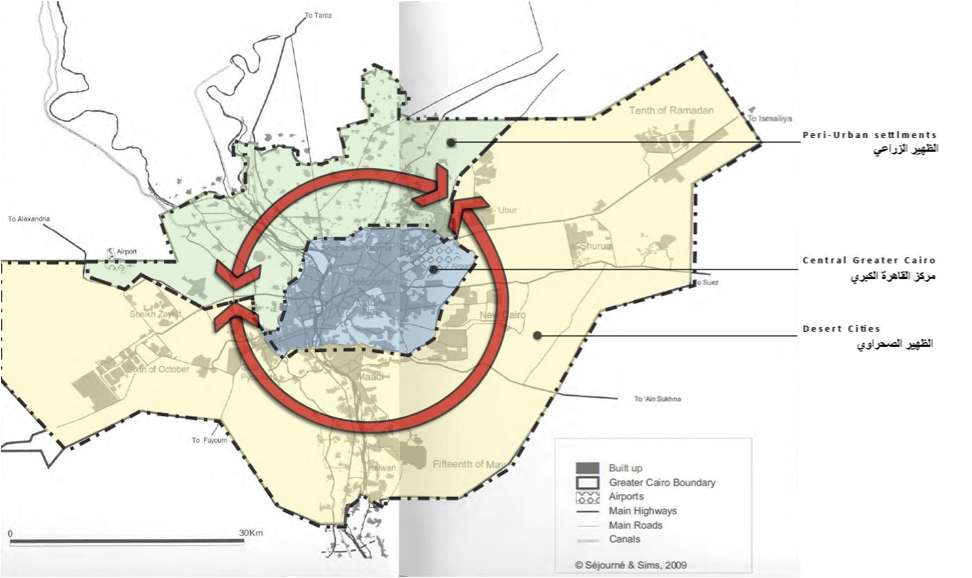
A diagram showing the peripheral urbanization around the central region of greater Cairo
The source of the base map is David Sim’s book Understanding Cairo: A City out of Control
عملية التحضر في مدن دول العالم النامي عادة ما يكون غير مخطط بما فيه الكفاية. تشتهر هذه المدن بالنمو العمراني السريع والعشوائي. مما يميز هذا النمو تركزه علي أطراف المدينة في صورة تجمعات سكنية لذوي الدخول المحدودة. تمتد هذه التجمعات بالمدينة علي مدار فترات طويلة من الزمن لتندمج تدريجياً مع المدينة. يترتب علي تلك العملية إحلال للشريحة الإقتصادية لسكان تلك المناطق في حين يستمر ظهور مناطق فقيرة أخري علي الأطراف. هذا النمط في النمو العمراني يمثل مشكلة عمرانية لها تداعيات إقتصادية إجتماعية خطيرة.
ما سبق كان إقتباساً عن بحث خاص بمشكلة النمو العمراني علي أطراف مدن أمريكا اللاتينية مثل ساو بولو. يبدو أن القاهرة تعاني هي أيضا من هذه المشكلة و لكن علي طريقتها الخاصة حيث يحيط بالطريق الدائري حول القاهرة تجمعات عمرانية عشوائية. في الجهة الشمالية يوجد تجمعات ريفية شبه حضرية غالبيتها مراكز لمحافظات الجيزة و القليوبية مثل القناطر الخيرية ,قليوب بما في ذلك الخصوص. بلغ تعداد سكان هذه المناطق عام 2006 ما يقارب الأربعة ملايين نسمة غالبيتهم من الطبقة الدنيا و المتوسطة إقتصادياً. من الأسباب الرئيسية في نمو هذه المناطق هو توافرأنماط متعددة من السكن بأسعار منخفضة نسبياً. وذلك يرجع لسوق الأراضي غير الرسمي.
أما جنوبي الطريق الدائري فهو محاط بتجمعات سكنية تتسم كذلك بالعشوائية في نموها. تقع غالبة التجمعات العمرانية الجديدة في هذه المنطقة مثل العبور ,الشروق ,القاهرة الجديدة (متضمنة الرحاب و مدينتي) و السادس من أكتوبر. غالبية سكان هذه التجمعات من الشرائح الإقتصادية العليا و فوق المتوسطة.
لعب رجال الأعمال و السياسة دور هام في تشكيل البيئة المبنية للقاهرة الجديدة و مثلها من التجمعات العمرانية الجديدة بعد تراجع دور المخطط و الذي بدوره ساهم في انتاج هذه المنطقة العشوائية. وجد القائمون علي هذه التجمعات الجديدة أنه من الأجدى ماديا أن يبيعوا قطعا أكبر من الأرض لرجال الأعمال ليبنوا عليها جزرا يطلق عليها كمبوندات تحوي هي الأخري جزرا من الفيلات المحاطة بالأسوار. معظم هذه التجمعات السكنية تحاول جاهدة الإكتفاء ذاتياً لتنفصل قدر المستطاع عن المدينة. ما تبقي من الأراضي ينقسم بين مناطق مخصصة للمباني الإدارية و أخري لما يسمي الإسكان العائلي و الذي نتج عنه نمط غير متجانس بالرغم من أنه محكوم بقوانين عمياء موحدة علي الكل بغض النظر عن النتيجة. السكن العائلي حيث يعيش الكل في جزر منعزلة يفصلها سور عن الآخر. . المشكله أن هذا النمط أصبح نموذجا ناجح يحتذى به فيما بعد من مجتمعات عمرانية. و النجاح هنا مقياسه الوحيد حجم و كم المبيعات و ليس نوعية و أسلوب الحياة بعد الشراء! غني عن الذكر أن كل من تلك المناطق يكون ليلاً خالي تماماً من الحياة. و لكن في النهاية لا يصح إلا الصحيح فما لبثت الأنشطة التجارية الظهور لتعيد الحياة الى بعض أجزاء هذه المجاورات.
مثلها في كمثل مدن أمريكا الاتينية, غالباً ما تفتقر مناطق الإمتداد العمراني علي أطراف القاهرة للخدمات الأساسية و البنية التحتية مما يترتب علي ذلك مشاكل إجتماعية. بناءً علي ذلك فأن النمو علي الأطراف يمثل النموذج عمراني لغياب العدالة الإجتماعية المنتشر في الدولة.
The urbanization process in cities of developing countries is often insufficiently planned and poorly coordinated. Cities in developing countries are notorious for their inherent chaotic and discontinuous spatial patterns, as well as rapid and unorganized development processes. A specific kind of urban growth that happens in these cities is known as ‘peripherisation’. This type of urban expansion is something seen in many large cities in the developing world, and is particularly apparent in the city of Cairo.
Peripherisation can be defined as a kind of growth process characterized by the formation of low-income residential areas in the peripheral ring of the city. These areas are incorporated into the city by a long-term process of expansion by which numerous low-income areas are re-contextualized within the urban system and occupied by a higher economic group. The new low-income settlements continuously then emerge on the periphery. Peripherisation is an urban spatial problem, which has strong effects in social and economic terms, and is a problem unlikely to fade away without a well-informed planning action1.
As previously mentioned, Cairo has the same problem of peripherisation, but in a different manner. Along the ring road the highway that circles around the greater Cairo region Cairo is surrounded by informality. In the northern sector there are informal settlements or peri-urban areas, as David Sims refers to these areas in his attempt to understand the logic behind a city out of control2. This peri-urban frontier includes, according to Sims, nine, mainly rural, administrative marakiz (districts) of Giza and Qalyubiya governorates. The 2006 population of peri-urban Greater Cairo was 3.9 million inhabitants. These areas can be claimed to have a majority of poor inhabitants, although this is not exclusively exact.
According to Sims, “the main reason for the growing attraction of peri-urban areas can be said to relate to the array of affordable housing solutions that the mainly informal housing markets generate in these areas. Land accessibility and price are conducive to informal settlement creep and infill”2.
On the southern sector of the road lies a set of informal areas, which Sims refers to as the desert cities. These areas are mostly inhibited by middle and upper middle classes, and include the areas of Obour, New Cairo (including Rehab and Madinaty) and Shorouq. Business and politics have influenced the built environments in these areas greatly. Authorities responsible for land governance realized that selling larger chunks of land for developers (mostly coming from the Gulf region after the recession in 2008) will generate a greater amount of money quickly and easily. That is why most of these areas are composed mainly of gated communities attempting to be self-sufficient, and are thus completely isolated from the city. The remainder of this urban expansion includes a number of isolated residential private islands separated into another sector dedicated as a business district. It is needless to mention that both areas are almost dead at night increasing the security problem around the area.
Similar to the Latin American cities, the peripheral ring of Cairo consists mostly of low-income housing including large spontaneous settlements, which usually lack urban services of any kind. As such, Peripherisation clearly constitutes a social problem. However, it is not a problem only in the sense of the extreme social inequalities that appear in the city in a very concrete spatial form. Rather, the problem is the perpetuation of such a form in space and time and, in this sense, Peripherisation is a social problem of spatial order1.
Sources:
- Barros, J. (2003).Simulating Urban Dynamics in Latin American Cities. London: University College London.
- Sims, D. (2010). Understanding Cairo: The Logic of a City out of Control. Cairo: American University in Cairo Press.
Ahmad Borham is a practicing design architect and a teaching assistant in the American University and the Arab Academy of Science and Technology and other educational institutions in Cairo. He is also an independent researcher interested in the issue of resilience against change and transformation in the built environments.
Case Study: Medellin, Columbia
John Drissen gives an in-depth account of the changes in Medellin, some analysis on what motivated the changes and a look into some impacts. I hope readers find this case study of one community’s specific challenges and interventions relevant.
(Thanks to Adriana Navarro Sertich on http://favelissues.com)

A good recap :: “The urban transformation of Medellin”
Check out:
http://www.a-i-d.org/news.php?id=49
and
http://favelissues.com/2012/10/28/a-good-recap-the-urban-transformation-of-medellin/


 Cairo from Below القاهرة من الأساس