
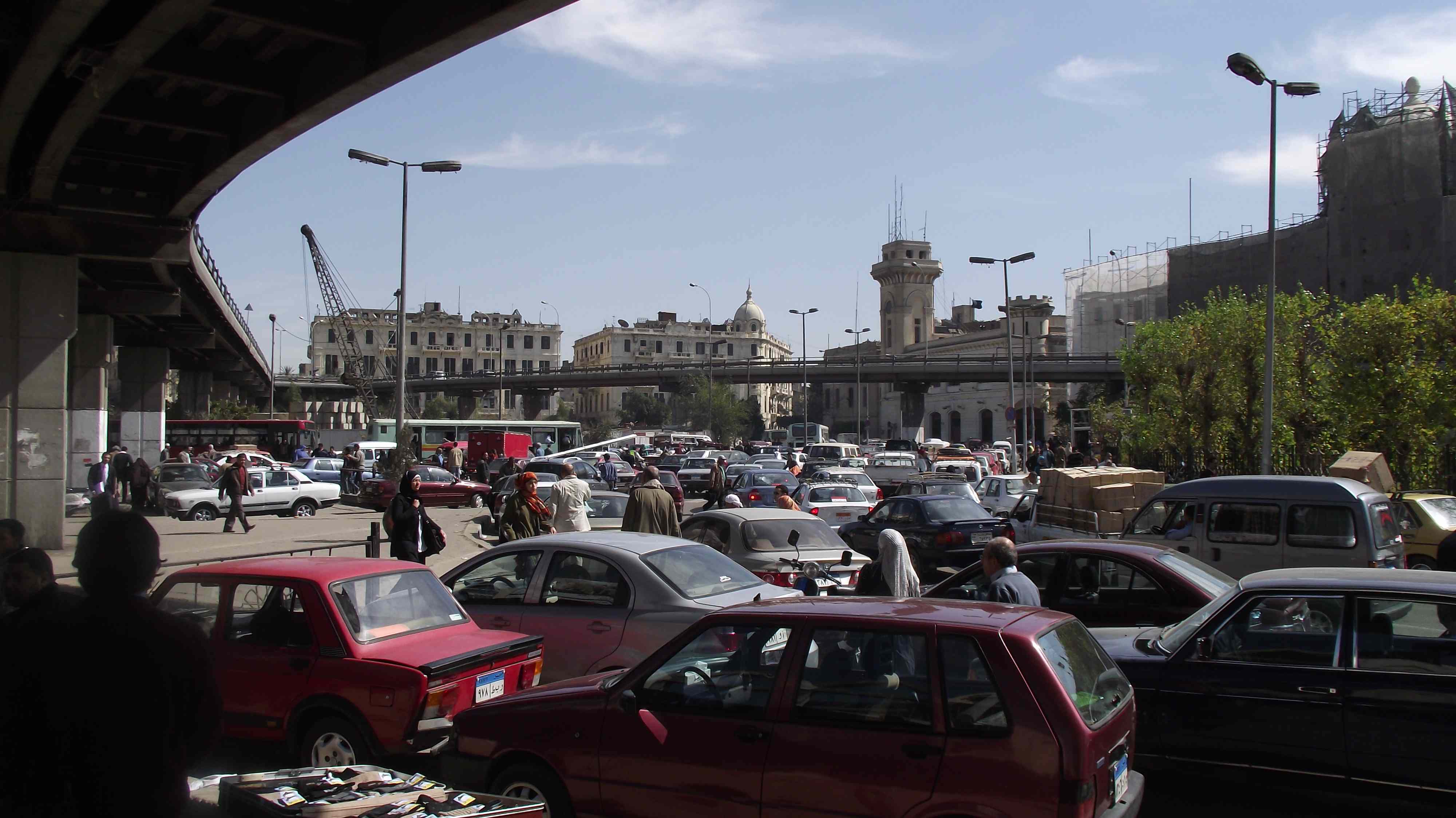
Sometimes building more roads isn't the best way to help people move around the city (Credit: Muneeb Ansari)
Traffic and pollution have been, and will continue to be two of the most significant challenges facing Cairo. Deeply intertwined, both issues feed on each other and give the appearance of a city spiraling rapidly out of control. Going forward, any urban development needs to therefore work towards the development of sustainable and – in the long run environmentally friendly – transport solutions. The instinctive response of most urban planners in developing countries when faced with congestion and traffic is to build more roads and expand existing ones. This, needless to say, is counterproductive as the number of cars on the road increase almost parallel to the expansion of the roads themselves, as the basic demand for transport remains unfulfilled. Moreover, the question of environmental sustainability remains completely ignored.
Despite its myriad problems, Cairo is unique in that the city has made some inroads into the development of a Metro system, which is among the busiest in the world. It is also far more cost effective for commuters than taxis or private cars. Expansion of this system is an obvious step, not just through the addition of more metro lines, but also connectivity to other avenues of public transport such as buses and trams. This is particularly important to remember because simply adding additional subway lines may not be financially or environmentally cost effective, or even feasible.
One case where an alternative system seems to be paying dividends is TransMilenio, a bus rapid transit (BRT) system in Bogotá, Colombia. Before, Transmilenio, public transportation in Bogota was provided almost exclusively through thousands of private buses. This system incorporated many of these buses within in its structured network covering most of the city. Such a system can conceivably be developed and connected to the existing Metro system in Cairo. Read more about TransMilenio and Bus Rapid Transit at the Institute for Transportation and Development Policy
Most importantly however, any system expansion should be based upon a broad-based analysis of the movement and access needs of the entire metropolis. Transportation exists so people have access to social, economic, political, religious and other such exchanges. People generally use modes that balance convenience, cost and other socio-economic factors. A well-developed and effective transport system of subways, busses, taxis, private cars, motorcycles, bicycles and walking would therefore be based on an analysis of peoples’ needs for access to various aforementioned exchanges.
إن ازدحام المرور والتلوث من أكبر التحديات التي تواجهها القاهرة وستظل كذلك، حيث تتشابكا القضيتان بعمق مما يؤدي إلى مظهر مدينة تخرج عن نطاق السيطرة ، لذا يتوجب على أي تخطيط عمراني تنموي أن يطمح إلى حلول نقل مستدامة وفي المدى الطويل تكون تلك الحلول صديقة للبيئة. ردة فعل أغلب مخططي البناء في البلدان النامية حين يواجه أحدهم مشكلة ازدحام حركة المرور هو بناء المزيد من الطرق وتوسيع الطرق القائمة، يأتي ذلك–مما هو واضح– إلى نتائج عكسية حيث يزداد عدد السيارات على الطرق بنسبة شبه موازية للزيادة المساحية المكتسبة، حيث أن الطلب الأساسي لحلول أخرى للنقل ما زال غير ملبى. وعلاوة على ذلك ، فإن مسألة الاستدامة البيئية لا تزال تتجاهل تماما.
وبالرغم من مشاكل القاهرة العمرانية التي لا تعد ولا تحصى ، تضل القاهرة فريدة من نوعها حيث أن المدينة خطت بضع خطوات نحو التقدم المتمثل في تطوير نظام المترو ، الذي هو من بين أكثرالقطارات ازدحاما في العالم كما أن تلك القطارات تساعد المتنقلين على التوفير بشكل لا يقارن مع سيارات الأجرة أو السيارات الخاصة. إن توسيع هذا النظام هي خطوة أولى واضحة إنما ذلك لا يتحقق بمجرد إضافة المزيد من خطوط مترو الانفاق ، ولكن أيضا بربطها بوسائل تنقل أخرى من وسائل النقل العام مثل الحافلات والترامات. من المهم أن استيقان ذلك حيث مجرد تركيب خطوط مترو إضافية قد لا يكون فعالاأو حتى ممكنا لا ماليا ولا بيئيا.
هناك حالة وحيدة يبدو أن نظامها البديل يجني ثماره وذلك في ترانس ميلينيو: نظام الحافلات السريعة التنقل (BRT) في بوغوتا كولومبيا.
في الماضي كانت تقدم خدمات النقل العام خلال الألوف من الحافلات الخاصة في بوغوتا، عندما أتى نظام الحافلات السريعة التنقل قام بضم تلك الحافلات التي كانت قائمة من قبل إلى شبكة نقله حتى أصبحت الشبكة تلك تغطي معظم المدينة. يمكن وضع مثل هذا النظام في القاهرة حيث يتم تطوير النظم الحالية القائمة وتوصيلها الى نظام جديد في القاهرة.
لكن الأهم من ذلك كله، فإنه ينبغي أن يستند أي توسع للنظام على تحليل واسع النطاق لاحتياجات التنقل للمدينة بأكملها حيث يتواجد نظام تنقل حتى يتمكن الناس من الوصول إلى مثل هذه التبادلات الاجتماعية والاقتصادية والسياسية والدينية وغيرها.
غالبا ما يستخدم الأشخاص ما يحصل فيه على توازن ما بين الراحة والتكلفة وعوامل اجتماعية اقتصادية أخرى، لذا فيجب أن يقوم نظام تنقل متطور يتضمن شبكة من القطارات والحافلات و سيارات الأجرة والسيارات الخاصة والدراجات والدراجات النارية والمشي على أساس تحليل جيد لاحتياجات الأشخاص للوصول إلى التبادلات المختلفة المذكورة أعلاه.
Maheen Saleem Farooqi is part of team analyzing governance over land in Cairo for Columbia University and the Institute for Research and Debate on Governance

Photo: Pipes being installed in Dar es Salam neighborhood of Cairo, January 2011 (credit: Meredith Hutchison)
Welcome to CairoFromBelow!
This forum begins the debate with a look at the Egyptian Housing Ministry’s Cairo 2050 visioning document.
Our mission is to encourage the establishment of inclusive debate as a norm in planning and governance in Cairo. Our hope is that Cairenes, activists, students, planners and academics contribute ideas on how to make the planning of Cairo more inclusive, equitable, and environmentally-conscious as well as aid in the formulation of a new Cairo 2050 vision – one which represents the economic, social and political interests of all of Cairo’s residents in a fair manner.
مرحبا بكم في القاهرة من الأسفل، موقع يشجع مناقشة ونشر المعلومات حول آخر مشاريع التخطيط العمراني في القاهرة. يبدأ هذا المنتدى نقاشه بالقاء نظرة على وثيقة رؤيوية لمشروع القاهرة ٢٠٥٠ التابعة لوزارة الإسكان والمرافق والتنمية العمرانية في مصر، آملين بذلك أن يساهم كل من ناشطي وطلاب ومخططي وأكاديمي القاهرة، أي سكان القاهرة بشتى أشكالهم، في التفكر حول كيفية جعل تخطيط القاهرة العمراني أكثر شمولية وانصافاً وأكثر وعياً بيئياً بالاضافة الى المساعدة في صياغة رؤية جديدة لمشروع القاهرة ٢٠٥٠ — رؤية تمثل مصالح جميع سكان القاهرة الاقتصادية والاجتماعية والسياسية بطريقة عادلة
Please note: this site is under construction. Fully bilingual English and Arabic coming soon.
يرجى الملاحظة أن هذا الموقع هو قيد الانشاء. النسخة ا المحتوية على كلتا اللغتين آت قريبا
Follow us on Twitter @CairoFromBelow
Like us on Facebook CairoFromBelow


 Cairo from Below القاهرة من الأساس